A glimmer in waves— Held tight within the dark deep— Breath longing for light.
The tide was low when I found it—half-buried in wet sand, caught between the ebb and flow. A small pearl, dull under the gray sky, waiting. The sea had held it, carried it, shaped it. Yet, even in its stillness, it whispered of motion. I picked it up, turning it between my fingers. How long had it been there? How many tides had washed over it? How many years had it spent in silence, unseen?
The Unseen Depths
There are souls, like pearls, that live beneath the surface. They exist in quiet places, bound by circumstances unseen. To pass them by would be easy. They do not cry out. They do not demand. Yet, if you stop—if you reach, if you listen—you will hear them breathe.
We live in a world that moves too fast, that praises the surface and ignores the depths. Yet some of the most beautiful things do not shout for attention; they wait for those who are willing to look closer. The greatest treasures are not found in the open, but in the hidden corners of the world, in the hearts that go unnoticed.
Finding What is Lost
A pearl does not know it is precious. It simply is. Formed in darkness, shaped by pressure, it has no knowledge of the hands that will one day hold it, of the light it will catch and reflect. We, too, are shaped in unseen ways. We carry within us the weight of our past, the press of our experiences. And yet, even when trapped in the shells of our own making, we are waiting—longing—to be found.
Some people will walk past. Others will see only the shell. But then, there are those who will reach out, who will see beyond what is obvious. These are the ones who bring light to what has been hidden. They are the ones who listen, who understand, who recognize the quiet struggle beneath a still surface.
Lessons from the Pearl
See Beyond the Surface – Not all treasures shine at first glance. The most beautiful things take time to notice.
Reach Out – If you sense someone is lost beneath their own tide, be the one to listen, to find them.
Understand Silence – Some voices are not loud, but that does not mean they have nothing to say.
Hold Gently – Like pearls, people are fragile. The hands that hold them must do so with care.
Breathe in the Deep – Even in the darkest places, there is life. Even in solitude, there is growth.
I held the pearl in my palm a little longer, feeling the smoothness against my skin. It had been buried, lost, overlooked. But now, in the light, it was seen. And maybe, that was all it had ever needed—to be held, to be recognized, to know that even in its silence, it had been found.
The waves came in again, tugging at my feet, whispering their quiet song. I closed my fingers around the pearl and walked on, knowing that somewhere beneath the surface, more waited to be discovered.
A star in the dark— Silent, distant, yet it shines— Each world, its own sky.
There was an old man who sat every evening on his porch, looking at the night sky. He would sip his tea slowly, the warmth rising in small spirals, as if time itself moved differently around him. “Each person is a world,” he once told me, his voice carrying the weight of years. “Some glow quietly like distant stars. Some burn bright and fast, and some seem invisible—until you look closer.”
The Solitude of Stars
Every person holds a universe inside them. Strange, luminous, infinite. We walk among others, yet our skies are never quite the same. Some orbits align, others drift apart. Some people enter our gravity and stay; others pass through like comets—beautiful, fleeting, gone too soon. But no world is truly alone. Even the most distant star leaves traces of its light.
In our solitude, we are never isolated. The paths we walk may be our own, but they are always woven into the fabric of others. The space between people is not emptiness—it is possibility. It is what makes connection precious.
The Distance and the Closeness
Some distances cannot be crossed. Some words remain unsaid. Some hands never quite reach each other. And yet, there are moments when another soul comes close enough to touch—not with hands, but with understanding. A shared silence, a glance across a room, the way someone remembers an old story. These moments are bridges between worlds, fleeting but real.
But closeness, too, carries its dangers. Sometimes, people come too near. Sometimes, what should be warmth turns into fire. Not all stars should collide; some are meant to admire each other from a safe distance. The trick is knowing when to hold on and when to let go.
How to Navigate the Space Between
Respect Every Universe – Each person carries a world you will never fully understand. Treat them with the awe they deserve.
Know When to Reach, and When to Watch – Some connections should be pursued, some admired from afar. Learn the difference.
Distance Does Not Mean Disappearance – Some people stay in your orbit, even when they seem light-years away.
Not Every Touch is Gentle – Be mindful of those who come too close without care. Some hands grasp instead of hold.
Find the Light in Others – Even when someone seems lost in darkness, remember that stars do not stop shining just because clouds obscure them.
The Endless Sky
The old man finished his tea and looked up once more. “You’ll never know all the stars,” he said. “But that doesn’t mean you shouldn’t try to see them.”
I left him there, his eyes still tracing constellations. And as I walked away, I felt the weight of the universe within me—and the gentle, comforting pull of all the unseen stars beyond.
Somewhere, in the dark, another light was waiting to be noticed.
A breeze bends the blades— Memories murmur softly— Echoes in the green.
The field stretched out like a quiet sea, rippling with whispers carried by the wind. I found myself drawn to the soft, endless grass, the kind that sways effortlessly with every passing breeze. Kneeling down, I let my fingers brush through the slender blades, their texture a gentle reminder of something I couldn’t quite place. The sound they made, faint and melodic, was like the hum of a forgotten lullaby, stirring the corners of my memory. It was a symphony of silence, both grounding and infinite.
Lessons from the Grass
There is a quiet wisdom in grass, in its softness and resilience. Grass does not demand attention; it does not seek the sun more than its share. Instead, it grows where it can, spreading roots deep into the earth, holding fast through storms and droughts. And yet, it bends with the wind, never breaking. Its humility is its strength, its flexibility its power.
In a world where the loudest voices often dominate, the grasses remind us of the beauty in subtlety. They teach us to listen, to feel, to remain rooted even as life’s winds push and pull. They thrive not because they fight the elements, but because they move with them, adapting without losing themselves.
The Murmur of Memories
As I sat in the field, the gentle rustling of the grass brought back fragments of the past—a song hummed under someone’s breath, the feel of warm summer evenings, the sound of laughter carried on the breeze. These memories were not sharp or vivid; they were soft, like the grass, blurring at the edges but still holding meaning. I realized then that the most profound moments in life often come not as grand declarations, but as quiet murmurs, like the sound of wind through the grass.
Lessons from Whispering Grasses
Bend Without Breaking: Flexibility is not weakness; it is survival. Learn to move with life’s challenges rather than against them.
Find Strength in Humility: You don’t need to stand out to make an impact. Sometimes, the quietest presence is the most grounding.
Root Deeply: True strength comes from what lies beneath the surface. Cultivate your roots, your values, and your connections.
Embrace Subtlety: Life’s beauty is often found in its softest moments. Listen to the whispers; they carry wisdom.
Cherish the Murmurs: Memories may fade, but their essence remains. Hold on to the feelings they bring, even if the details blur.
Each blade is unique, bending and swaying in its own way, yet together they form a harmonious whole. It is this balance of individuality and unity that makes the field so mesmerizing.
As I left the field, the sound of the grass stayed with me, like a song you can’t quite remember but also can’t forget. It wasn’t loud or insistent, but it was steady. And in its steadiness, I found peace. The grass had no agenda, no need to prove itself. It simply existed, thriving quietly, reminding me that sometimes the most profound lessons come not in shouts but in whispers.
A stone bridge arches— Shadows ripple through the years— Echoes find their way.
It was a cloudy afternoon, the kind where the sky hangs low, and the air feels heavy with stories untold. I found myself walking along a riverbank, where the water’s surface carried reflections of scattered branches and pale clouds. The path led to a small stone bridge, its edges mossy and worn, whispering of countless footsteps that had crossed it before mine. As I stood there, leaning against the cool stone, a memory came unbidden—of fields far away, and a voice that once called my name. A voice now distant, muted by time and distance. Between us, the years stretched like an unfurling ribbon, lined with faces I no longer recognized and paths I never took.
The Weight of Distance
Distance, whether measured in miles or moments, has a way of carving space into our lives. It separates, isolates, and often leaves us longing for what once felt close. Yet, within that distance, there is also a strange kind of clarity. It strips away the noise and leaves behind the essence of what matters—a glance, a laugh, the sound of someone humming a song you never quite learned the words to.
In the spaces between, we’re reminded of what we’ve left behind, but also of what we’ve carried forward. The echo of a loved one’s advice, the way their hands moved when they spoke, or the particular way they looked at you when they thought you weren’t paying attention. These fragments persist, even when everything else fades.
The Silent Bonds
Distance does not erase connection; it merely stretches it. And like a well-worn thread, those connections may fray but rarely break. They endure in the silences, in the letters unsent and the words unspoken. They endure because we carry pieces of those we love within us, whether we’re aware of it or not.
But there is also a bittersweet truth—not every distance is meant to be closed. Some remain, vast and unmoving, leaving us to build bridges within our hearts instead. These are the distances that teach us patience, humility, and the art of remembering without holding too tightly.
Lessons From Distance
Hold On to Fragments: Memories, however small, are anchors. Keep them close; they are the threads that connect you.
Build Inner Bridges: Not all distances can be crossed physically, but emotional bridges can close the gap.
Embrace the Space: Distance often brings clarity. It allows you to see what truly matters.
Let Love Stretch: Connection doesn’t weaken with distance; it adapts, stretches, and evolves.
Learn From the Silence: The spaces between words often speak louder than the words themselves. Listen closely.
Standing on that mossy bridge, I noticed how the river beneath me carried everything forward. Fallen leaves, stray twigs, ripples born of unseen movements. None of it lingered; none of it resisted. It all flowed, carrying the past into the horizon. And yet, the river itself remained, constant in its course.
A weathered book with its spine cracked and pages yellowed comes to mind. It’s not pristine, but that’s precisely why it feels alive. The smudges and creases speak of hands that have held it, eyes that have read it, lives that have turned its pages. Distance, too, leaves its marks, but those marks are the proof of love, of connection, of life lived.
As the first drops of rain began to fall, I left the bridge and followed the winding path back. The memory of that distant voice lingered, not as an ache but as a quiet warmth. Distance had not diminished its significance; it had amplified it. And as I walked, I realized that some distances aren’t meant to be bridged—they’re meant to be honored, their lessons carried forward like treasures.
The path ahead was uncertain, but the echoes remained, steady and true. And somewhere across the years, I imagined the same river flowing, carrying its own reflections of time, loss, and love.
A dusk breeze whispers— Mountains hum their quiet song— The world leans closer.
The evening had fallen like a soft sigh, draping the hills in a haze of muted gold. I found myself wandering along a narrow path that wound its way through dreaming fields and drowsy trees. In the distance, the hills stretched like sleeping giants, their silhouettes bathed in the tender hues of twilight. It was then that I heard it—a voice, not loud but insistent, carried on the breeze like an unspoken promise. It wasn’t a voice meant for the ears; it was one that spoke directly to the heart. An invitation.
The Call to Belong
Every evening carries an invitation—a quiet beckoning to pause, to listen, to reconnect. The land invites us to rest our burdens. The sky, tinged with the remnants of daylight, invites us to dream. It’s a call that doesn’t demand answers or effort, only presence.
The invitation is not always clear. Sometimes, it comes disguised as a gentle pull to step outside and witness the sunset. Other times, it’s the rustle of leaves or the scent of rain-soaked earth that reminds us we are part of something much larger, something endlessly intricate yet profoundly simple.
A World That Awaits
Too often, we rush past the invitations life extends to us. We chase goals and deadlines, measuring days by productivity rather than presence. But the world waits patiently. It doesn’t ask for grand gestures or perfect attendance. It asks only that we come as we are—worn, flawed, and full of questions.
When we answer this invitation, we’re not just stepping into a moment of peace; we’re stepping into a conversation. The land, the sky, the stillness—they speak to us in ways we’ve forgotten to listen for. And in their presence, we find parts of ourselves that we’ve left behind in the noise of living.
Lessons From the Evening
Pause to Listen: The world is always speaking, but it speaks softly. Pause, and you’ll hear its quiet invitations.
Answer With Presence: You don’t need to bring anything but yourself. The evening accepts you just as you are.
Find Grace in Stillness: There is a unique beauty in simply being. Let the stillness of the moment fill the spaces within you.
Honor the Invitations: Whether it’s a sunset, a starry sky, or a breeze that brushes your cheek, these are moments that remind you to belong.
Reconnect With Simplicity: Life’s most profound invitations often come from the simplest things—a rustling leaf, a shifting shadow, a fleeting light.
Consider the twilight—a brief bridge between day and night. It doesn’t linger, nor does it strive to hold on to the light. Its transience is its magic.
Picture a lantern glowing on a porch, its light trembling with every gust of wind. The glow is not constant, but it is alive, dancing with the world around it. It reminds us that imperfection is not something to resist but something to embrace.
As the path led me deeper into the hills, the voice of the evening grew softer, almost like a hum against the edges of my mind. I stood still, watching as the last rays of sunlight slipped behind the hills. For a moment, there was no sound but the beating of my heart and the rustle of a distant tree. And I understood: the invitation wasn’t just to witness the world—it was to feel its pulse within me.
The evening stretched its arms wide, and I let myself lean into its embrace. The world, in its imperfect, fleeting glory, had welcomed me. And in doing so, it reminded me of the simple truth that we are all invited, always. All we need to do is step forward.
A bird on the branch— Hesitating in the dusk, The world holds its breath.
It was a crisp autumn evening, the kind where the sky darkens too quickly, and the air feels heavier than it should. I was sitting on a weathered bench in the park, leaves swirling around my feet like restless whispers. Above me, a lone bird perched on a branch, its silhouette sharp against the fading amber light. It seemed to pause, as if debating whether to stay or take flight. I found myself willing it to linger, though I couldn’t explain why. In its stillness, I felt seen.
The Weight of Solitude
Solitude is not the absence of others; it’s the presence of yourself. It is both a sanctuary and a shadow, a place where silence presses in and thoughts grow louder. At its best, solitude is a space for reflection, a clearing in the forest of our lives. At its worst, it is an echoing void, a reminder of how desperately we crave connection.
We are creatures built for companionship, for shared laughter, for the gentle weight of someone else’s presence beside us. And yet, solitude finds us all. It arrives unbidden, slipping into the spaces between conversations, settling in the pauses of our days. The challenge is not to escape it but to understand it, to let it shape us without consuming us.
The Bird That Stays
There is a quiet ache in asking something to stay when it’s meant to leave. We do it with people, with places, with moments that feel too fleeting. But nothing lingers forever—not the seasons, not the sunsets, not even the bird on the branch. To hold too tightly is to forget that life is a series of arrivals and departures.
Still, there is beauty in the bird that hesitates, in the fleeting companionship it offers. Solitude, like the bird, is not meant to be feared. It perches on our lives, offering us a chance to pause, to breathe, to listen to the quiet truths we often drown out with noise.
What Solitude Teaches Us
The Strength of Stillness: In solitude, we learn to sit with ourselves, to face our thoughts and fears without distraction. This stillness is not weakness; it is resilience taking root.
The Value of Presence: Solitude teaches us the irreplaceable value of a shared moment. It reminds us to hold onto connections while we have them, to cherish the warmth of company.
The Depth of Reflection: Alone, we can look inward without interruption. Solitude is the mirror that shows us who we are when no one else is watching.
The Art of Letting Go: Just as the bird must eventually take flight, we must release the things we cannot keep. Solitude shows us that holding on too tightly can smother the beauty of what we love.
The Power of Renewal: After solitude, we return to the world with fresh eyes, our sense of connection sharpened, our appreciation deepened.
So too with solitude. It is not a curse but a pause, a quiet space where our cracks become part of our design.
Picture an empty chair by a window, bathed in soft morning light. The chair does not mourn its emptiness; it simply waits, ready for someone to sit, or not. Solitude, like the chair, is not a void to be filled but a space to be honored.
A Bench in the Twilight
As the last rays of sunlight slipped behind the trees, the bird on the branch lifted its wings. For a moment, it hovered, caught between the sky and the ground, before soaring into the gathering dusk. I stayed on the bench a little while longer, letting the silence settle around me. Alone, but not lonely.
There is a quiet grace in solitude, a gift wrapped in stillness. It asks nothing of us but to be present, to sit with ourselves as we are. And in that presence, we find a strength we didn’t know we had—a strength that carries us forward, whether the bird stays or flies.
A crack in the vase— Gold traces its broken edge— Beauty redefined.
It was a quiet afternoon when I saw it. A small ceramics shop tucked into the corner of a narrow street, its shelves lined with bowls and plates in soft, earthy tones. My eyes landed on a teacup. It was cracked, its fractures filled with gleaming gold. I picked it up, turning it over in my hands. The imperfections weren’t flaws; they were features, giving the cup its character, its story. The shopkeeper, an older woman with kind eyes, noticed my curiosity. “That’s kintsugi,” she said. “The art of repair. The gold makes it more beautiful than before.” And suddenly, the cup wasn’t just a cup. It was a reminder, a lesson etched in porcelain and gold.
The Beauty in Flaws
Imperfection is the fingerprint of life. It’s what makes us distinct, memorable, and human. Look closely at anything—a handwoven scarf, the uneven strokes of a painted canvas, the jagged edges of a seashell—and you’ll see that imperfection isn’t just unavoidable; it’s essential. Without it, the world would be flat, repetitive, unbearably monotonous.
But here’s the paradox: while we admire the imperfections in objects and nature, we often demand perfection from ourselves. We spend hours polishing, editing, redoing, trying to erase the very marks that make us unique. What if, instead, we embraced our imperfections as part of our art? What if we stopped trying to fit into molds and started shaping our own?
Flaws as Foundation
Mistakes and imperfections are not blemishes to be hidden. They are the foundation upon which your personal masterpiece is built. A flawed first attempt at something—whether it’s learning a language, writing a novel, or navigating a relationship—contains within it the seeds of something extraordinary.
Think of a comedian stumbling over a punchline during an open mic night. They might fumble, the room might grow quiet, but if they recover, if they lean into the awkwardness and find humor in it, the audience is with them. The mistake becomes part of the act, part of the laughter, part of the art. Flaws, when owned and woven into the fabric of your efforts, add depth and authenticity.
New Layers of Growth
Mistakes and imperfections aren’t static; they’re opportunities for layers. Like paint on a canvas, every misstep adds texture to your story. An artist doesn’t stop at the first smudge; they blend it, build on it, use it as the starting point for something unexpected. Life works much the same way. A failed relationship teaches you how to communicate better. A career setback forces you to reevaluate your priorities. Each imperfection is an invitation to grow, to adapt, to reimagine.
And let’s not pretend growth is always graceful. Sometimes it’s messy, like trying to assemble IKEA furniture without the instructions. You’re certain you’ve got it, only to realize the whole thing is upside down. But even in those moments, there’s something to smile about—and, if you’re lucky, a good story to tell.
The Rhythm of Imperfection
Imperfections have their own rhythm, their own quiet beauty. They add depth to what would otherwise be shallow. Like the golden seams in kintsugi pottery, your flaws don’t diminish your value. They enhance it, turning ordinary moments into stories worth telling.
Your life’s imperfections are what make it meaningful. The missed opportunities, the awkward silences, the projects that didn’t turn out as planned—these are not blemishes on your record. They’re the golden seams that hold your story together.
As I left the ceramics shop, the golden cracks of the teacup lingered in my mind. They weren’t hidden; they were highlighted, celebrated. And I understood something simple yet profound: the art of imperfection isn’t about fixing what’s broken. It’s about revealing its beauty, letting the light catch the cracks, and knowing that what’s mended can be stronger, more beautiful, than what was whole.
A path kissed by light— Shadows flee as suns arise— Brilliance warms the soul.
It was a late afternoon in early spring when I noticed how the light had changed. The shadows, once long and sharp, had softened. A gentle warmth lingered in the air, the kind that makes you pause and tilt your face skyward. The sun wasn’t in a rush to set; it hung low and steady, painting everything in gold. In that moment, I realized something simple yet profound: the sun doesn’t wait for permission to shine. It doesn’t hesitate. It simply rises, banishes the darkness, and gives life to everything it touches.
You are here to follow the sun. To trace its path with your steps, your thoughts, your choices. Life often tempts us to dwell in the shadows—the what-ifs, the regrets, the fears that keep us rooted in place. But shadows cannot exist without light, and to move forward is to embrace that light. It’s to seek warmth even when the cold clings to your skin, to reach for brightness even when it feels just out of grasp.
Following the sun means understanding that life’s journey is not linear. The sun doesn’t take the shortest route across the sky. It rises, arcs, and descends, painting the world in hues of change. And so do we. Our paths are not meant to be straight or predictable. They’re meant to twist, to stretch, to expand toward horizons we can’t yet see.
Sun
But following is not enough. You are also here to be the sun. To radiate warmth, to dispel shadows, to bring light to the lives around you. This isn’t about perfection or brilliance; it’s about consistency, about showing up even when it’s hard. The sun rises every day, regardless of storms or clouds. Its light doesn’t demand gratitude, nor does it seek validation. It shines because that is its nature.
Becoming the sun means finding your own light, the thing that makes you burn brightly from within. It might be kindness, creativity, resilience, or love. Whatever it is, let it shine unapologetically. Let it warm those around you, not to prove your worth but to fulfill your purpose. The world doesn’t need more perfection; it needs more light.
Shadows
To be the sun is also to confront the shadows—in yourself and in the world. Shadows are not enemies; they are reminders of where the light hasn’t yet reached. They show us where healing is needed, where growth is possible. By addressing these shadows with compassion, you expand your light. You make space for clarity, for truth, for connection.
When you drive away shadows, you don’t destroy them. You transform them. A shadow that lingers too long can feel like a weight, but when touched by light, it becomes depth, contrast, a necessary part of the whole. The sun doesn’t erase shadows; it dances with them, creating balance.
How to Live as the Sun
Rise Daily: Begin each day with intention. No matter how heavy yesterday was, rise again.
Shine Steadily: Let your light be consistent, not conditional. Offer warmth and clarity wherever you go.
Embrace Shadows: Don’t fear the dark corners of life. They are opportunities to grow and illuminate.
Seek the Horizon: Keep moving forward, even when the path is unclear. The journey shapes you.
Reflect Light: Like the moon borrowing the sun’s glow, reflect the goodness you receive back into the world.
The Wabi-Sabi Perspective
In wabi-sabi, the beauty of the sun lies not in its perfection but in its constancy, its willingness to rise even as it sets. A day is never flawless, yet every day carries the sun’s quiet promise to return. Your life, like the sun’s journey, is not about erasing imperfections. It’s about embracing them, letting your light shine through the cracks.
As the sun sets, it leaves a parting gift: the twilight, where day and night blend into something ephemeral and breathtaking. This, too, is your life. You are the sun, the twilight, the horizon. You are the warmth that melts the frost, the light that pushes back the dark, the spark that ignites others. So rise. Shine. And let your light transform the world.
That spring evening, as the golden light faded, I kept walking, my shadow trailing softly behind me. The air cooled, but the warmth of the sun lingered on my skin, a quiet reminder. I thought of the paths I’d yet to walk, the horizons I’d yet to reach. And I understood: to live is to follow the sun, to become the sun, and to keep the shadows in motion.
A stream carves the land— Quiet, persistent, alive— Bound only by time.
The sound of the river reached me before I saw it. A low murmur, rising and falling, like the whispers of an old friend. I followed the path down, where willows leaned over the water, their branches dipping gracefully into the current. The river was not rushing, nor was it still. It moved with purpose, its surface catching the sunlight in fractured brilliance. For a moment, I stood there, captivated by its simplicity, its constancy.
And in that moment, it struck me: the river wasn’t rushing to get anywhere. It simply flowed, from its source to its destination, embracing every bend and obstacle along the way. There was a lesson there, hidden in the rhythm of its journey.
The Simplicity of Flow
To flow like a river is to live simply yet intentionally. The river doesn’t resist the rocks in its path; it curves around them. It doesn’t pause to question whether it’s moving fast enough or in the right direction. It trusts its course, knowing that every twist and turn is part of its journey.
Life is often made heavier by our resistance to it. We fight against the current, trying to control what cannot be controlled. But resistance only exhausts us, while flow sustains. To live like a river is to let go of unnecessary struggles, to trust that the path you are on will lead you where you need to go. It is both an act of courage and one of surrender.
Finding Beauty in the Moment
The river’s journey is not defined by its source or its destination but by the moments in between. It finds beauty in the way the willow’s branches brush its surface, in the way the wind scatters ripples across its face. It takes time to linger in the eddies, to reflect the sky, to hum its quiet songs to the stones below.
We, too, have moments like these—spaces of quiet beauty often overlooked in the rush to get somewhere else. The laughter of a loved one, the warmth of sunlight on your skin, the way the air feels just before rain. These are the willows of our lives, the places where the wind hides its songs. They are not distractions from the journey; they are the journey.
Reaching for the Horizon
The river never stops reaching, even as it knows it will never truly touch the horizon. It moves forward, not out of urgency but out of instinct, out of its very nature. It knows its purpose lies not in arrival but in the act of flowing. And so it flows—steadily, faithfully, endlessly.
We are much the same. Our horizons shift as we move toward them, always just out of reach. But this is not a reason to stop. It is a reason to continue. The beauty of life lies in the striving, in the constant motion toward something greater, even if we never quite reach it.
About rivers
Embrace the Current: Stop resisting the natural flow of your life. Trust that every obstacle and detour has its place in your journey.
Find Joy in the Details: Pay attention to the small, beautiful moments that surround you. They are the willows and windsongs of your life.
Move with Purpose: Flowing doesn’t mean drifting aimlessly. Know your direction, but allow for flexibility along the way.
Let Go of Control: Release the need to micromanage every step. The river doesn’t plan its course; it discovers it as it goes.
Honor the Horizon: Strive for what lies ahead, not with desperation but with quiet determination. The journey is its own reward.
The beauty of life is found in its impermanence, its imperfections. The river, with its shifting currents and changing depths, embodies this philosophy. It doesn’t seek perfection. It simply flows, carving its path one moment at a time.
Your life, too, is a river. It will have its rapids and its calm stretches, its clear waters and its murky depths. But every twist and turn, every pause and surge, is part of what makes it beautiful. Let yourself flow, unhurried and unbound, and trust that the horizon will greet you in its own time.
As I left the riverbank, the sound of the water stayed with me, a quiet hum in the back of my mind. The willows swayed gently, their branches catching the last light of the day. And as I walked, I felt it—the pull of my own river, the current that would carry me forward. Not rushing, not resisting. Just flowing.
A light through the trees— Shifting, warm, and incomplete— The forest breathes deep.
It was late evening when I stumbled upon the house. Nestled at the edge of a thick forest, its windows glowed with a light so soft it seemed to hold the warmth of a hundred sunsets. Through the open door, I could hear voices—laughter, low murmurs, the clatter of dishes. A child’s shriek of delight cut through the air, and then a woman’s voice, soothing, followed by a chorus of others. For a moment, I felt the ache of being an outsider. But then I realized the beauty of it: a house isn’t defined by its walls or roof. It’s the lives within it, entwined like roots in the earth, that make it a home.
The Essence of Home
A home is more than a shelter. It’s where all belong, where every voice is heard, and every presence felt. It’s not a place of perfection, but one of inclusion, where the cracks in the foundation tell stories and the scuffs on the floor mark a life well-lived. Home is where you can set down your burdens and know they’ll be shared, not judged. It’s a space that grows not by adding rooms, but by opening its heart wider.
Families, like homes, are messy. They’re filled with mismatched pieces—quirks, tempers, habits that grate against one another. But these differences don’t weaken the structure; they strengthen it. They force us to stretch, to adapt, to understand. In a true family, there is space for every voice, no matter how loud or quiet, how flawed or certain.
Belonging in Imperfection
There’s a myth that a perfect family exists, but it’s just that—a myth. Families are not photographs hung neatly on a wall; they are living, breathing, imperfect beings. They fight, they break, they mend. And it’s in those moments of imperfection—the slammed doors, the tearful apologies, the shared laughter after the storm—that the bonds grow deeper. To belong is not to fit perfectly, but to be accepted as you are.
Belonging isn’t about agreement or harmony. It’s about showing up, about choosing to stay even when it’s hard. It’s about making space for the awkward silences, the misunderstandings, the moments of discomfort. Because in those spaces, love finds its footing. It learns to stretch and grow, to hold more than it thought possible.
How to Build a Home for All
Embrace Differences: Celebrate the quirks and contradictions that make each person unique. These are the threads that weave a family together.
Hold Space for Others: Listen without the need to fix or judge. Sometimes, just being there is enough.
Accept Imperfection: Let go of the idea that a home must be flawless. Its imperfections are what make it real.
Create Together: Shared experiences—meals, stories, even mistakes—are the foundation of connection.
Welcome Growth: Families evolve. Allow space for change, for each member to grow into who they’re meant to be.
In wabi-sabi, beauty lies in the incomplete, the imperfect, the impermanent. A home, much like a family, is never finished. It is always becoming, shaped by the lives it holds. The cracked vase on the table, mended but cherished, is a testament to resilience. The worn-out chair in the corner, sagging but still sturdy, speaks of comfort offered time and time again.
A home isn’t about symmetry or order. It’s about the life within it. It’s the mismatched dishes that tell of shared meals, the scuffed floors that bear the marks of children’s laughter and tears. It’s the imperfections that make it beautiful, that make it whole.
As I walked away from the house that evening, the light spilling from its windows seemed to follow me. I didn’t know the people inside, but I felt their warmth, their connection. And I realized that a home doesn’t have to be yours to remind you of what matters: a place where all belong, where love stretches wide enough to hold everyone, where the cracks let the light in.
A question breaks through the hum— does not matter what follows.
It began with a pause. The kind of silence that feels more like tension than peace. I was sitting in a meeting room where ideas had been bouncing off the walls like rubber balls—energetic but aimless. The speaker paused to take a breath, their eyes scanning the room as if daring someone to challenge them. The unspoken question hung in the air, heavy and obvious. My pulse quickened. I felt it, the pull to ask, to break the invisible wall of silence. But fear was louder. My throat tightened. What if the question sounded foolish? What if I revealed I didn’t understand? But then, almost without thinking, my hand went up. The room stilled. And as the question left my lips, I felt the weight of it lift, not just for me, but for everyone who had been holding it in.
The Unspoken Questions
In every room, there’s always a question that no one dares to ask. It hovers there, invisible but undeniable, like a faint hum just below the threshold of hearing. Most people feel it, recognize its importance, but stay silent. The fear of looking foolish, of breaking the surface tension of the moment, keeps them quiet. But the truth is, asking that question is an act of courage. It’s a way of saying, “I don’t know, but I want to understand.”
The Fear of Looking Foolish
The fear of asking “stupid” questions is universal. It’s rooted in the primal instinct to belong, to avoid being the outlier. No one wants to be the one who admits ignorance when everyone else seems to nod along, understanding perfectly. But here’s the secret: most people don’t understand perfectly. They’re nodding because they’re too afraid to ask, just like you.
When you ask a question, you’re not just helping yourself. You’re speaking for everyone who’s too scared to raise their hand, who’s silently hoping someone else will step forward. Your courage clears the air, making space for clarity and connection. It transforms the room from a collection of individuals into a shared pursuit of understanding.
Why Questions Matter
Questions are the chisels that carve meaning out of confusion. They’re the spark that ignites curiosity, the key that unlocks new doors. Without questions, learning stagnates. Assumptions pile up, unchecked, until they harden into barriers. But a single well-placed question can crack those barriers wide open.
Imagine sitting in a classroom, the teacher explaining a concept that doesn’t quite land. You glance around, wondering if anyone else feels the same. But no one speaks. The moment stretches, heavy with unspoken thoughts. Finally, someone raises their hand and asks the question you’ve been holding back. Instantly, the tension breaks. The explanation shifts, deepens, becomes clearer. One question changed everything.
The Rhythm of Curiosity
Asking questions isn’t just about information. It’s about rhythm, about the natural cadence of curiosity. When you ask, you’re not disrupting the flow; you’re adding to it. You’re contributing a beat, a syncopation, that keeps the conversation alive. In this way, questions are not interruptions but invitations—to think deeper, to connect more fully, to explore what lies beyond the surface.
How to Ask Questions with Courage
Embrace Vulnerability: Accept that not knowing is not a weakness but a starting point. Curiosity is strength disguised as humility.
Ask Openly: Don’t preface your questions with apologies or disclaimers. Own your curiosity without shame.
Listen Deeply: A good question comes from genuine listening. Pay attention to what’s being said, and let your curiosity guide you.
Encourage Others: By asking your question, you create space for others to ask theirs. Courage is contagious.
Celebrate Curiosity: Treat every question as a step forward, no matter how small. Each one adds to the collective understanding.
Your questions reveal the places where understanding isn’t whole, where there’s room to explore and expand. So ask. Ask boldly, ask frequently, ask without fear. Because every question you ask adds a little more light to the world.
As the meeting ended, I noticed the shift in the room. The tension had lifted, replaced by a quiet hum of connection. People were nodding, not in forced agreement but in genuine understanding. My question, imperfect as it was, had opened a door. And as I walked out, I realized that courage isn’t about having all the answers. It’s about daring to ask the questions that matter.
Fear howls loud, but embers glow— Step through to the fire.
It began with a bridge, its planks weathered and its cables strained by years of wind. Below, the ravine stretched wide, a maze of jagged rocks and rushing water. The bridge swayed as I stepped onto it, each creak beneath my feet echoing the unease in my chest. The wind whispered warnings, but ahead, across the divide, the horizon glowed with the faint promise of something new. Fear tightened its grip, but a quiet voice within me—steady, persistent—urged me forward. Passion doesn’t shout; it hums, a low and steady rhythm that keeps you moving even when the way ahead is uncertain.
The Pulse of Passion
Your passion should drive you, not your fear. Fear is loud. It pounds in your chest, grips your throat, whispers to your mind that stepping forward is dangerous. Passion, on the other hand, hums softly. It’s a steady rhythm, a quiet pulse that keeps you moving even when the road ahead is unclear. If you’re not careful, fear can drown out that hum, leaving you frozen, staring at paths you’ll never take.
But here’s the thing: fear is a liar. It magnifies risks and minimizes rewards. It casts shadows where there is only light. Passion—true passion—isn’t blind to these shadows, but it moves anyway. It steps forward, not because the fear has vanished, but because the desire to grow, to create, to live fully, is louder than the fear of falling.
Fear as a Challenge
Fear isn’t an enemy; it’s a challenge. A line drawn in the sand, daring you to cross it. It’s the ocean waves crashing against your feet, testing your resolve to dive in. Fear is not there to stop you. It’s there to measure how badly you want what’s on the other side.
Imagine standing at the edge of a dense forest. The trees are tall, their shadows long. The unknown stretches before you, full of whispers and possibilities. Fear will tell you to turn back, to stay where it’s safe and familiar. Passion will tell you to take the first step. The path may be unclear, but each step forward makes the forest less daunting. Fear shrinks as you move; it feeds on hesitation and starves on action.
Choosing Passion
To let passion guide you is to trust in something deeper than logic. It’s the writer staying up until dawn to finish a sentence that feels just right. It’s the musician playing the same note a hundred times to find the perfect resonance. It’s the entrepreneur risking failure for a dream no one else can see. Passion doesn’t make the fear disappear. It simply makes the fear irrelevant.
But this isn’t a story about grand gestures. It’s about small, persistent choices. Waking up an hour earlier to work on something you love. Saying yes to the opportunity that scares you. Taking the first step, even when your legs tremble. Passion doesn’t demand leaps; it asks for steady, unrelenting steps forward.
How to Let Passion Drive You
Acknowledge the Fear: Pretending fear doesn’t exist gives it more power. Recognize it, name it, and then decide to move through it.
Reconnect with Your Why: When fear grows loud, remind yourself why you started. What fuels your passion? What makes it worth the risk?
Take Small Steps: Fear thrives on overwhelm. Break your goal into smaller, manageable actions and focus on the next step, not the whole journey.
Celebrate Progress: Each step forward, no matter how small, is a victory. Let those wins reinforce your passion.
Lean on Courage: Courage isn’t the absence of fear. It’s the willingness to act despite it. Build courage like a muscle—use it often, and it will grow.
Fear highlights what’s at stake, while passion reminds you why it matters. Together, they create a tension that gives life its texture, its depth.
Think of a bridge suspended over a deep ravine. The wind shakes it, the boards creak underfoot. Fear whispers, “Turn back.” But passion urges you to step forward, to trust the creaks and sways as part of the journey. By the time you reach the other side, you realize the bridge was never the obstacle. It was the proof that you could cross.
Passion Over Fear
As I stepped onto the far side of the bridge, the wind eased, and the world seemed to open up before me. The path ahead was still uncertain, but the act of crossing had reshaped something within me. Fear had not disappeared; it had simply grown quieter, overshadowed by the steady hum of passion. And as I walked on, I realized that every step forward had not just been a choice but a declaration: that passion, not fear, would guide me from here on out.
Tracks stretch where sight cannot reach— Readiness unfolds.
It began with the sound of distant wheels on steel. I was standing at an old train platform, the kind that felt forgotten by time, overgrown with moss and vines. The fog was thick, blurring the horizon, but the rhythmic hum of an approaching train was unmistakable. I didn’t know where it was going or even if it would stop. But something told me to check my pockets, to make sure I had a ticket in hand. The train appeared suddenly, its headlights cutting through the mist, and I stepped forward, my heart pounding with the realization that the moment was here. Success often feels like this—uncertain, sudden, and entirely dependent on whether you’re ready to climb aboard.
Success in the Right Moment
Success, they say, is about being in the right place at the right time. But what they often leave out is the invisible part—being ready when that moment comes. The world rarely hands you a second chance to prepare. It’s like a train appearing suddenly in the fog; you either have your bags packed and your ticket in hand, or you’re left standing on the platform, watching the tail lights disappear into the distance.
The timing of success is never perfect, and rarely obvious. It might feel too soon, or worse, too late. But those moments of opportunity are slippery by design. They’re meant to test your readiness, to see if you’ve done the quiet, thankless work of preparing when no one was watching.
Failure as a Foundation
Failure, on the other hand, is always visible. It announces itself loudly, stamping its name on your plans and marking your ego with its fingerprints. But failure is not the opposite of success; it’s part of the same thread. Every failure is a stepping stone, a rough and uneven one, but one that pushes you closer to the next opportunity.
Think of failure as a companion—an annoying one, perhaps, but essential nonetheless. It whispers, “Not yet,” or “Try again,” or sometimes, “Go a different way.” It forces you to recalibrate, to rethink, to refine. Failure is not a dead end; it’s a bend in the road.
Failure teaches you humility and resilience. It strips away illusions and forces you to confront what’s real. It shows you where you need to grow, what you need to change, and how to adapt. Without failure, success would lose its meaning. It would feel empty, like a victory won without a battle.
The Power of Perseverance
The road to success is never smooth. It’s littered with obstacles, detours, and long stretches where progress feels invisible. Perseverance is what keeps you moving. It’s the quiet resolve to take one more step, even when you’re exhausted. It’s the decision to show up again tomorrow, even when today felt like a loss.
Perseverance is not glamorous. It’s not something you can photograph or put on a resume. But it’s the engine that powers everything else. Without it, even the best opportunities would slip through your fingers, and even the greatest potential would wither on the vine.
Success often comes not to the most talented or the most connected but to those who simply refuse to give up. It’s the power of showing up, day after day, even when it feels like nothing is happening. Perseverance is what turns potential into reality.
How to Align Success, Failure, and Perseverance
Stay Ready: Treat every day as preparation for the opportunity you can’t yet see. Read, practice, refine your craft—not because success is guaranteed, but because readiness is its own reward.
Reframe Failure: When something doesn’t work, don’t ask, “Why me?” Ask, “What now?” Each setback is a clue, a lesson, a redirection.
Trust the Process: Success doesn’t always follow a straight line. Keep going, even when the path feels endless.
Look for Hidden Opportunities: Sometimes the best opportunities come disguised as challenges. The door you didn’t want to open might lead to the room you’ve been searching for.
Celebrate Small Wins: Perseverance is fueled by hope. Acknowledge every step forward, no matter how small it seems.
In your life, the cracks from failure and the rough edges of perseverance don’t diminish your success. They shape it. They give it depth, texture, and meaning. Success is not the absence of struggle but the culmination of it. It’s the moment when all the missteps, the doubts, and the efforts converge into something meaningful.
As the train slowed to a stop, I stepped aboard, my heart still racing but my mind calm. The fog outside began to clear, revealing tracks stretching into the distance. The journey wasn’t guaranteed, but I was ready. And in that readiness, I found a quiet kind of success—not just in catching the train, but in everything it had taken to get to that platform in the first place.
Stillness shapes the growing path— Less becomes enough.
It began with a single rock placed carefully in the middle of a garden. Not a polished stone, but one rough and irregular, its surface marked by years of wear. A gardener stood nearby, brushing loose dirt from their hands. The garden wasn’t crowded with flowers or ornaments; there were only a few deliberate choices: the rock, a patch of moss, a bamboo fountain dripping water in a slow, rhythmic cadence. The space felt complete, as though nothing more could be added without taking something away. Simplicity, I realized, isn’t emptiness. It’s intention.
The Elegance of Simplicity
Simplicity is hard to build but easy to live. Complexity, on the other hand, is easy to create but burdensome to carry. This truth doesn’t just apply to design or technology; it’s a reflection of our lives, our growth, and our personal worth. We are drawn to complexity because it feels sophisticated, valuable, even necessary. But often, it’s simplicity that holds the real power.
Imagine your personal growth as a garden. Simplicity is planting a few essential seeds and tending to them daily. Complexity is overloading the soil with too many plants, leaving no room for any of them to thrive. One approach creates focus and clarity, while the other breeds chaos and overwhelm.
Why We Gravitate Toward Complexity
Complexity feels impressive. It’s easier to fill your schedule with endless tasks, to pile on goals and commitments, to keep adding layers to your identity. But this kind of growth is hollow. Complexity creates the illusion of progress while pulling you further from your core.
In our pursuit of worth, we sometimes believe that more is better. More responsibilities, more skills, more accomplishments. But when everything is important, nothing truly is. Complexity dilutes our efforts, scattering them like leaves in the wind. Simplicity, by contrast, grounds us. It asks us to choose what truly matters and to let go of the rest.
The Hard Work of Simplicity
Simplicity is not about doing less; it’s about doing what matters most. It’s about stripping away the noise to find the signal. This process is neither easy nor comfortable. It requires honesty, discipline, and the courage to say no—to distractions, to unnecessary obligations, and even to opportunities that don’t align with your purpose.
But once simplicity is achieved, it becomes a foundation. A life built on simplicity is easier to navigate, more fulfilling, and more sustainable. It frees you to focus on growth that feels meaningful, not just impressive.
Personal Worth Through Simplicity
Your personal worth isn’t defined by how much you do or how complicated your life appears. It’s defined by how deeply you engage with what truly matters to you. A simple life—focused on your values, your passions, your relationships—carries a quiet kind of strength. It’s not flashy, but it’s unshakable.
When you build your worth on simplicity, you free yourself from the exhausting need to prove anything to anyone. Your value becomes intrinsic, not tied to external validation or endless achievements. It’s a rare kind of freedom, one that complexity can never offer.
How to Embrace Simplicity in Growth
Prioritize Ruthlessly: Identify what truly matters to you and focus on those things. Let go of what doesn’t serve your purpose.
Declutter Your Commitments: A packed schedule isn’t a sign of success. It’s often a distraction. Make space for what’s meaningful.
Embrace the Hard Work of Clarity: Simplifying your life requires effort and reflection. Be willing to do the work.
Seek Depth, Not Breadth: Focus on mastering a few things instead of dabbling in many. Depth creates value; breadth creates noise.
Let Go of External Validation: True worth isn’t built on how others perceive you. It’s built on living authentically and intentionally.
Celebrate Small Wins: Simplicity finds joy in the little things. Recognize the beauty of progress, no matter how small.
Simplicity doesn’t shout; it whispers, drawing you closer to its quiet wisdom.
Your personal growth is no different. Complexity may look impressive from a distance, but it’s simplicity that creates a life of substance. By focusing on what truly matters, you build something enduring. And in the process, you discover that simplicity isn’t just elegant—it’s transformative.
As I left the garden, the sound of the bamboo fountain stayed with me, each drip falling with perfect intention. The rock stood silent in its place, unassuming yet powerful. It needed nothing more. In that moment, I understood: simplicity isn’t a lack of complexity. It’s the presence of clarity. And in clarity, there is peace.
Feet leave the shore, waves crash loud— Growth lies past the tide.
It began with a boat. Not a grand ship, just a small wooden skiff tethered to a weathered dock. The paint was peeling, the oars slightly cracked, but it floated. I had come to the water that morning with no real plan, just a restlessness I couldn’t shake. The tide was calm, the horizon open. The boat rocked gently, inviting me to step in. I hesitated, unsure of where it might take me, or whether it could withstand the journey. But the thought of staying on shore—of never knowing—was heavier than the fear of drifting. So I untied the rope and pushed off, letting the current guide me.
Growth Through Motion
Growth isn’t something that comes to you while you sit still. It isn’t a gift wrapped in a neat box, ready to be opened and admired from the comfort of your chair. Growth requires action—movement, risk, and the willingness to step into the unknown. Yet, in our world, the adventures that push us to the edge, the ones where we barely make it out with our skin intact, or perhaps don’t at all, are undervalued. They’re whispered about as reckless or unnecessary, when in truth, they’re the beating heart of what it means to grow.
The Risk of Staying Still
Imagine a man sitting on the shore, staring out at the ocean. Day after day, he watches the waves crash against the rocks, wonders what lies beyond the horizon. He feels the pull, the urge to sail, but instead, he stays rooted in the sand. Perhaps he’s waiting for the perfect moment, the right wind, the safest conditions. But the truth is, the perfect moment never comes. The longer he waits, the more the ocean becomes a mirror, reflecting only his inaction.
Life is like that. The longer you stay inert, the harder it becomes to move. Fear grows roots, and those roots tangle around your feet. But the ocean—the world—isn’t waiting for you. It’s moving, changing, shifting. To grow, you have to leave the shore. You have to risk the waves, the storms, the possibility of getting lost. Because even if you do, you’ll have traveled further than you ever would sitting still.
Why We Fear the Adventure
Adventures are messy. They don’t guarantee a safe return or a satisfying conclusion. They’re unpredictable, often uncomfortable, and sometimes outright dangerous. But the alternative—a life lived within the confines of safety—is far messier in its own way. Stagnation creates its own chaos: the regret of untaken paths, the slow erosion of curiosity, the quiet suffocation of a spirit that longs to explore.
Society tends to glamorize success without showing the struggle that led to it. The glossy finish hides the scraped knees, the sleepless nights, the moments of doubt that make the journey worthwhile. And so, we hesitate. We convince ourselves that action must always lead to victory, forgetting that the act of trying—the courage to step forward—is often the victory itself.
The Lessons of Doing
The truth is, you learn by doing. By starting the business that might fail. By taking the trip that could go awry. By having the conversation you’ve been avoiding. Every action, successful or not, teaches you something. Every risk you take chips away at the fear that holds you back.
Even failure has its place. It’s the unspoken teacher, the kind that’s rough around the edges but invaluable in its lessons. Failure shows you your limits, but it also shows you how to stretch them. It reminds you that growth isn’t about perfection; it’s about persistence.
How to Embrace Action
Start Before You’re Ready: If you wait for the perfect moment, you’ll wait forever. Jump in, even if you don’t have all the answers.
Take Small Risks: Not every step has to be a leap. Sometimes, a single, tentative step forward is enough to break the inertia.
Reframe Failure: See it not as an endpoint but as a necessary part of the process. Every misstep is a step forward.
Celebrate the Attempt: Success isn’t the only thing worth celebrating. The act of trying, of daring, is just as important.
A ship battered by storms carries more stories than one that’s never left the harbor. The cracks in its hull, the patches on its sails, are testaments to journeys taken, risks embraced, and lessons learned.
To grow, you have to move. You have to venture into the unknown, risking not just failure but transformation. And when you do, you’ll find that the scars, the stumbles, and the near-misses are not things to regret but badges to wear. They’re proof that you lived, that you dared, that you grew.
As the skiff drifted further from the dock, the shoreline became a distant blur. The water beneath was deeper than I expected, the waves more restless. But there was also a strange calm—a quiet understanding that the journey had already begun, and with each stroke of the oar, I was moving closer to something new, something worth finding.
Each touch leaves a mark, unseen— The bowl holds its form.
It began with a shared silence. A group of strangers sitting together in a pottery studio, the air thick with the earthy scent of clay. The wheel turned slowly, each person’s hands shaping a lump of formless earth into something fragile and new. There were no words, only the rhythmic hum of the wheels and the occasional sound of water dripping into a basin. As I watched, I realized how deeply each bowl reflected its maker: the uneven edges, the thumbprints pressed too hard, the slight tilt that defied symmetry. Together, they filled the room with imperfect beauty—a reminder that no creation stands alone, and no creator is untouched by the hands of others.
Embracing Differences
There’s a subtle kind of power in the act of looking at a person—or at yourself—and saying, “It’s okay to be different.” Not just okay, but necessary. Life isn’t a factory line of identical pieces. It’s a patchwork quilt, stitched together from contrasting fabrics, uneven patterns, and mismatched colors. That’s what gives it texture and warmth.
For years, we’re told to conform. Follow the rules, fit in, smooth out your rough edges. But here’s the irony: the very things we’re taught to hide or fix often turn out to be our greatest strengths. That scar on your knee from a childhood bike crash? It’s a reminder that you’re resilient. That strange hobby you’ve always been embarrassed to share? It might be the thing that connects you to someone who truly understands you.
Differences Are Mirrors
When you meet someone whose thoughts or actions challenge your own, it’s like standing in front of a funhouse mirror. You see your reflection, but it’s stretched and distorted, showing you angles you’ve never noticed. Differences, whether in others or within yourself, force you to reconsider what you thought you knew.
Some of the most innovative ideas come from unlikely combinations. A poet learns to code. An engineer takes up painting. A chef experiments with flavors from a culture they’ve never experienced firsthand. The friction between what’s familiar and what’s foreign creates sparks, and those sparks light the way forward.
Why Flaws Are Hidden Treasures
Flaws are like the knots in a piece of wood. At first glance, they seem like imperfections. But when the wood is sanded and polished, those knots become the most interesting part of the grain. Your flaws, your quirks, and your idiosyncrasies—these are the things that make you human. They’re what give you character.
When you stop trying to sand down every imperfection, you make room for something remarkable to happen. You become more real, more approachable. People aren’t drawn to perfection; they’re drawn to authenticity. And authenticity comes from embracing who you are, flaws and all.
Finding Your Niche
Leaning into what makes you different isn’t just about self-acceptance—it’s a strategy for success. Your unique combination of experiences, skills, and interests is a key to unlocking opportunities that no one else can. The world doesn’t need another copy of someone else; it needs what only you can offer.
Take time to explore what makes you truly unique. Maybe it’s an unconventional skill, a passion that seems niche, or a perspective that feels out of step with the mainstream. These qualities aren’t obstacles—they’re assets. In fact, the more you embrace your uniqueness, the more likely you are to find a niche where you not only fit but thrive.
Consider how many great businesses, works of art, or scientific breakthroughs began because someone followed a path that was uniquely theirs. A love for comic books becomes a blockbuster film franchise. A fascination with insects leads to groundbreaking research. A childhood spent tinkering with gadgets turns into a revolutionary invention. Success often lies at the intersection of what makes you different and what the world needs.
How Embracing Differences Helps
Builds Deeper Connections: When you’re open about your flaws, you give others permission to do the same. Vulnerability creates trust.
Fosters Creativity: Differences—whether in perspective, background, or personality—lead to fresh ideas and unexpected solutions.
Encourages Growth: Seeing the value in other people’s uniqueness helps you appreciate your own, encouraging self-acceptance and personal development.
Strengthens Resilience: Recognizing that flaws are a natural part of life helps you approach challenges with more patience and less self-criticism.
Unlocks Success: By leaning into your unique qualities, you can carve out a space in the world that is entirely your own, a place where you can shine.
Your flaws and differences are not things to be ashamed of but opportunities to shine in a way no one else can.
By embracing differences—in yourself and in others—you don’t just accept the world as it is. You elevate it. You see its beauty, not in spite of its imperfections but because of them. And when you lean fully into what makes you different, you often find not just yourself but your greatest successes.
As the pottery studio emptied, I noticed the bowls lined up on a shelf to dry. Each one bore the marks of its maker—fingerprints pressed into the clay, uneven rims, the occasional crack. None of them were perfect, and that was their strength. Together, they told a story not of perfection but of presence. They were a testament to the hands that shaped them and the differences that made each one irreplaceable. I stepped outside, carrying my own imperfect bowl, and felt the quiet strength of a world built on contradictions.
Steps fade into soft earth’s bend— No map, only trust.
It started with an unfamiliar road. I had no destination in mind, just a vague desire to move forward. The pavement eventually gave way to gravel, then to a narrow dirt path framed by wildflowers and overgrown trees. The air smelled of damp earth, and the sunlight filtered through the branches in fractured beams. I followed the path, even as it twisted and forked, not knowing where it would lead. That uncertainty felt both unsettling and exhilarating, a reminder that some roads are made not by those who walk them but by the act of walking itself.
The Unwritten Map
There is no well-trodden route to becoming what others have become. No formula to replicate, no guidebook to guarantee success. The paths we admire, the lives we envy, are as unique as fingerprints. To walk someone else’s journey is not only impossible—it’s a betrayal of your own potential. You weren’t made to follow; you were made to create.
The world is full of advice, of step-by-step guides that promise to unlock the secrets of greatness. But greatness isn’t a locked door with a single key. It’s a labyrinth, one you have to navigate without a map, learning its twists and turns as you go. What worked for someone else might not work for you, and that’s not a flaw in the system—it’s the beauty of it.
The Illusion of Replication
We live in a world that loves templates. Success stories are packaged and sold as blueprints: “This is how I did it; this is how you can, too.” But the truth is, those stories are like constellations. They look orderly from a distance, but up close, they’re scattered points of light, connected only by the lines we imagine. The stars that guided someone else may not align with your horizon.
Trying to replicate someone’s path is like trying to wear their shoes. They might look the same size, but they’ll never fit quite right. Their victories were shaped by their circumstances, their choices, their moments of luck. To truly grow, you must carve out your own route, one that feels as unpredictable and uncomfortable as it is uniquely yours.
The Freedom of Uncertainty
The absence of a well-trodden path isn’t a barrier; it’s an invitation. Without a formula to follow, you’re free to experiment, to stumble, to find joy in the act of discovery. Your mistakes won’t just be missteps; they’ll be markers of a road only you could have traveled.
Uncertainty is often painted as a villain, something to conquer or avoid. But what if it’s a companion? What if, instead of fearing it, you walked with it, letting it guide you toward the questions you didn’t know you needed to ask? Growth doesn’t come from knowing the destination. It comes from trusting the journey.
How to Forge Your Own Path
Embrace Originality: Stop comparing your path to others. Their success doesn’t diminish your potential.
Stay Open: Be willing to change direction, to follow the unexpected detour. The best discoveries are often unplanned.
Learn from, But Don’t Copy: Take inspiration from others, but adapt it to your own circumstances and strengths.
Be Patient with the Process: Growth is slow, messy, and often invisible. Trust that each step is taking you somewhere meaningful.
Beauty lies in the irregular, the unrepeatable. A tree’s branches grow where the light guides them, not according to a blueprint. Each twist and bend is a response to its unique environment, its struggle to thrive.
Your life is like that tree. There’s no preordained shape it must take, no ideal path it must follow. Let your branches stretch toward the light you choose, twisting and bending as they must. In the end, the shape of your journey—imperfect, unplanned, entirely your own—will be its greatest beauty.
As I emerged from the trail, the path behind me had already started to fade, reclaimed by the wild. The trees stood silent, indifferent to my journey yet bearing witness to its truth. In their quiet embrace, I felt no need for a destination. The journey itself had been enough, each step carving a story into the soft earth, one that belonged only to me.
Time flows like water through hands— all we can do is watch the light in it and feel the water
This memory began on a quiet evening when the city seemed to hold its breath. I was sitting on the edge of a fountain in a nearly empty square, the water rippling under a faint breeze. A street performer nearby played a soft, uneven melody on an old violin. The notes wavered, imperfect yet haunting, as if they carried fragments of a story too fragile to tell outright. It struck me then: life—like that melody—is not about perfect execution but the resonance it leaves behind, fleeting yet deeply felt.
A Long and Free Life
A long life is not enough. What makes it worthwhile is how you live it. A life filled with freedom, health, and the courage to embrace its fullness is what gives it meaning. This blog is not a blueprint but a compass, guiding you to leverage every lesson, every mistake, and every moment of grace to make your journey richer. Each chapter is a reminder that life is both fleeting and expansive, and the way you fill its spaces is entirely up to you.
To live freely means to cast off the unnecessary weight of expectations—those imposed by others and those you impose on yourself. It means choosing a path not because it is easy or well-trodden but because it resonates with who you are. Freedom is not a destination; it’s a way of moving through the world, a refusal to be bound by fear, regret, or inertia.
The Foundation of Health
Health is the foundation of everything. Without it, freedom becomes a shadow, and time feels heavy. To live a full life, you must tend to your body and mind as you would a delicate garden. Eat to nourish, move to energize, rest to rejuvenate. Health isn’t about perfection or restriction; it’s about balance, about giving yourself the vitality to pursue the things that matter.
Mental health is just as vital. The mind can be a sanctuary or a storm, depending on how you care for it. Feed it with curiosity, challenge it with new ideas, and soothe it with moments of stillness. A healthy mind sees possibilities where others see limitations. It turns lessons into leverage, transforming each experience into a stepping stone toward something greater.
Leveraging Your Learnings
Life doesn’t hand you wisdom fully formed. It comes in fragments—in the quiet epiphanies after failure, in the patterns you notice after reflection, in the stories that resonate long after they’ve been told. The challenge is to piece those fragments together, to build something that enriches not just your life but the lives of those around you.
Leverage is about using what you’ve learned to lift yourself higher. It’s about turning hindsight into foresight, using past mistakes to inform future decisions. Each lesson, no matter how small, has the power to shift your perspective, to open doors you didn’t know existed. But leverage requires action. Knowledge is inert until it’s applied. The bridge between learning and living is choice—the choice to do, to try, to risk.
How to Live Fully
Prioritize Your Health: Treat your body and mind as sacred. Without them, the rest falters.
Seek Freedom: Let go of what binds you, whether it’s fear, regret, or the opinions of others. Freedom is a state of mind as much as a circumstance.
Embrace Lifelong Learning: Never stop seeking, questioning, and growing. Each lesson adds depth to your journey.
Leverage Your Lessons: Use what you’ve learned to create new opportunities and overcome challenges. Growth compounds when lessons are applied.
Cherish Time: Time is your most finite resource. Spend it intentionally, on things and people that bring meaning and joy.
Life is imperfect, impermanent, and incomplete—but it is precisely these qualities that make it beautiful. A long life is not about perfection but about presence. It’s about seeing the cracks and shadows not as flaws but as part of the design. It’s about understanding that a single moment of fullness can outweigh years of emptiness.
Life is imperfect, impermanent, and incomplete—but it is precisely these qualities that make it beautiful. A long life is not about perfection but about presence. It’s about seeing the cracks and shadows not as flaws but as part of the design. It’s about understanding that a single moment of fullness can outweigh years of emptiness.
As I rose from the fountain’s edge, the street performer’s melody lingered in the air, its imperfect rhythm carrying far into the night. The violinist’s bow hesitated, then surged forward, as if the song itself was wrestling with its own meaning. The square was still quiet, the ripples on the fountain’s surface catching the soft glow of the streetlights. Life, I realized, is not about perfect harmony but about the echoes it leaves behind—the uneven notes, the unexpected pauses, the stories carried by a fleeting tune. In its imperfection, life resonates—fragile, fleeting, and infinitely beautiful.
It began with a sound. Not a loud one—a faint buzz, the kind you hear when an old streetlamp flickers in the distance. I was walking down an empty alley, late enough that the world felt abandoned, save for the hum of unseen electricity. Somewhere, a vending machine whirred to life, its lights casting a pale blue glow on the pavement. The alley was ordinary, unremarkable, but the way the artificial light caught on the cracks in the concrete made it feel like I’d stepped into another dimension.
Humans are inherently chaotic, crazy, and sometimes wildly unpredictable. This is not a flaw; it is our defining characteristic. In a world increasingly dominated by algorithms and structured systems, our disorderly nature becomes an invaluable asset. While machines follow code and logic, we follow intuition, emotion, and whims that cannot be explained or replicated. Our chaos is the fertile ground where creativity and innovation take root.
The rise of artificial intelligence and digitalization has transformed the landscape of human existence. Algorithms now write poetry, craft melodies, and solve problems once thought to require the spark of human creativity. We live in a world where machines operate with precision, optimizing every process, leaving no room for error or waste. And yet, it is precisely this perfection that reveals their limitation—a hollowness, a lack of the ineffable quality that makes us human.
The Age of Machines and the Art of Being Human
This blog, The Wabi-Sabi of Human Life, is not a guide to resisting technology but a call to embrace what makes us irreplaceable within it. In a world driven by clean lines, sharp edges, and flawless logic, our imperfections, our quirks, and our messy uniqueness become not liabilities but assets. It’s our humanity—flawed, unpolished, and endlessly complex—that will define our place in the future.
Machines thrive on replication. Give them a task, and they will execute it with precision, faster and more consistently than any human ever could. But the world’s greatest breakthroughs have rarely come from flawless execution. They have come from mistakes, from accidents, from moments of doubt and leaps of intuition that no algorithm can predict.
Think of the artist who discovers a new technique by spilling paint on the canvas. The scientist who stumbles onto a groundbreaking discovery while chasing a dead end. The entrepreneur whose failed business reveals an unexpected opportunity. These are not stories of perfection; they are stories of wabi-sabi—of finding beauty and possibility in the imperfect and the unexpected.
Imperfection as Strength
As we navigate this new digital age, the value of our imperfections will only grow. Machines can analyze data, but they cannot feel. They can simulate empathy, but they cannot experience it. They can replicate patterns, but they cannot create something that defies the rules. The cracks in our logic, the gaps in our understanding—these are the spaces where creativity is born.
The key to thriving in the age of AI is not to compete with machines but to leverage what makes us unique. It is not enough to be different; we must make that difference meaningful. To do so requires a shift in perspective. Instead of hiding our imperfections, we must lean into them. Instead of striving for sameness, we must embrace the full spectrum of who we are.
Start by asking: What can I do that no machine can replicate? The answer lies not in the rote tasks but in the spaces machines cannot reach—the emotional, the intuitive, the profoundly human. It lies in the ability to connect deeply with others, to imagine new possibilities, to navigate the gray areas that algorithms find so perplexing.
The Role of AI in Enhancing Humanity
Far from being a threat, AI can be a tool that enhances our humanity. It can take over the mundane, freeing us to focus on the meaningful. It can amplify our creativity, providing new tools for expression and innovation. But to use it well, we must remain grounded in our wabi-sabi selves. We must remember that efficiency is not the same as value, and precision is not the same as purpose.
In this new landscape, the most impactful people will not be those who mimic machines but those who fully embody their humanity. They will be the ones who listen deeply, who adapt with grace, who see opportunities where others see problems. They will be the ones who are unafraid to show their cracks, knowing that these are the places where the light comes through.
The Wabi-Sabi of Human Life is not a manual for perfection. It’s ideas to navigating a complex, ever-changing world by embracing the beauty of imperfection. It offers a framework for leveraging your uniqueness in ways that are both authentic and impactful.
Find Strength in Flaws: Recognize that your imperfections are not weaknesses but sources of resilience and creativity.
Adapt to Change: Use your inherent flexibility to thrive in a world where the only constant is transformation.
Connect Deeply: Cultivate relationships that are rich, meaningful, and built on genuine understanding.
Balance Technology with Humanity: Leverage the power of AI while staying true to the values that make life worth living.
See the Beauty in Chaos: Learn to dance with uncertainty and find clarity in the midst of complexity.
A cracked bowl is not discarded; it is mended with gold, turning its imperfection into its most striking feature. In the same way, this blog invites you to see your imperfections not as things to fix but as the essence of your strength.
As I turned the corner out of the alley, the vending machine’s hum faded into the distance. The cracks in the concrete and the faint buzz of the streetlights felt less like imperfections and more like a part of a larger, imperfect symphony. The night sky, littered with stars partially hidden by clouds, seemed to echo a truth as old as time: perfection isn’t the goal—it’s the story within the flaws that makes life worth living.
On a rainy Thursday afternoon, I sat in a quiet café, the kind where time seems to slow down, as if trapped in the delicate balance between seconds. The coffee in front of me was slightly too bitter, the ceramic cup chipped at the edge. It wasn’t perfect, but I found it strangely comforting—an ordinary imperfection that whispered stories of its own.
Humans are much like that chipped cup: a collection of contradictions, oddities, and imperfections. No two of us are alike, and yet, we’re all bound by a shared humanity. For millennia, we’ve told ourselves stories to make sense of our jagged edges, weaving myths and metaphors into a narrative that gives meaning to chaos. Like instruments in a symphony, slightly out of tune, it’s our flaws that create the music of life. If every note were perfect, the melody would dissolve into a sterile hum—mechanical, lifeless, and devoid of soul.
The Rhythm of Change
We’re not built for perfection. Like the seasons shifting without fail, we’re meant to change, adapt, and evolve. And that is our saving grace. What makes us human isn’t our sameness but the chaotic beauty of our differences. Evolution didn’t craft us to fit into neat boxes; it made us adaptable, unpredictable, and gloriously imperfect. Like a broken watch that somehow tells the right time twice a day, our imperfections hold a kind of magic.
If life were a puzzle, our jagged edges and missing pieces wouldn’t detract from the image. They’d give it depth, texture, and nuance. Imagine trying to piece together a sky with nothing but smooth, flawless tiles. It wouldn’t look like a sky at all—it would be a dull monotony, a blank slate. No, it’s the interplay of light and shadow, the irregular shapes and unexpected colors, that make the image come alive.
Why Perfection Is a Mirage
We grow up believing perfection is the goal. Be the smartest, the most successful, the most beautiful. But perfection is like the horizon: the closer you get, the further it recedes. Chasing it leads to exhaustion, not fulfillment. The truth is that perfection is not only unattainable but undesirable. It’s the cracks and flaws in our character that let the light of growth shine through.
Consider the concept of kintsugi, the Japanese art of repairing broken pottery with gold. The cracks don’t disappear; they’re illuminated, transformed into something beautiful and unique. A vase repaired this way doesn’t pretend to be whole—it wears its scars as a badge of honor, a story of resilience. Humans are no different. Our flaws are not blemishes to hide but the fingerprints of our existence. Each crack tells a story: where we’ve been, what we’ve endured, and how we’ve grown.
And most cracks do not get mended.
The Digital Paradox
In the digital age, the illusion of perfection surrounds us. Filters smooth our skin, algorithms present curated realities, and metrics measure our worth in likes and shares. Yet, beneath this polished surface, we remain stubbornly human—imperfect, emotional, and unpredictable. We forget that even the most advanced AI is built on errors. Every innovation stems from trial and failure, from the messy, chaotic process of learning and adapting.
We scroll through social media, comparing our unfiltered selves to the curated lives of others. But perfection online is no more real than the glow of a neon sign reflected in a puddle. It looks beautiful but disappears the moment you reach for it.
Embracing the Difference
See Others as Whole: Every person you meet is a mosaic of imperfections. Instead of judging their flaws, try to see the story they tell. The friend who interrupts too often might teach you to be patient. The coworker who moves slowly might remind you to value thoroughness. Each quirk is a piece of a larger picture.
Let Go of Comparison: Imagine a field of wildflowers. Each bloom stands on its own, beautiful not because it’s taller or brighter than the others but because it simply exists. You don’t have to be the tallest flower in the field to be worthy of sunlight.
Celebrate Your Flaws: What you see as imperfections are often your greatest strengths. A stutter in your speech might make you a more deliberate communicator. A scar on your hand might be a reminder of courage. The imperfections you try to hide are the very things that make you unique.
Dance with Chaos: Life isn’t a straight line—it’s a tangle of loops, detours, and dead ends. Instead of trying to control the chaos, lean into it. Let it surprise you. Some of the most beautiful melodies come from unexpected notes.
The Beauty of the Flawed
Imagine your flaws as cracks in a stained-glass window. When sunlight pours through, those imperfections transform the light into a kaleidoscope of colors—vivid, intricate, and more beautiful than any flawless pane could ever be. In the same way, your struggles and scars shape you, creating depth and complexity that radiate outward.
Our ancestors, the ones who endured storms and hardships, didn’t survive because they were perfect. They survived because they were resilient, adaptable, and creative. They turned their flaws into strengths, their failures into lessons. This is the legacy we carry: not to erase our imperfections but to use them as tools for connection and creation.
The world doesn’t need perfect people; it needs people who are real. People who carry their scars openly, who wear their flaws like medals of honor. In a world obsessed with polish and perfection, being raw—being human—is an act of quiet rebellion.
A Symphony of Humanity
Life is not a flawless melody but a symphony of imperfections. Every sour note, every offbeat rhythm, adds to the harmony. When we embrace our own imperfections, we free ourselves from the tyranny of unattainable ideals. And in doing so, we give others permission to do the same.
So, let the cracks and chips in your life tell their story. They are not flaws; they are golden threads in the tapestry of your existence. Together, our imperfections form a melody—a human symphony that’s messy, chaotic, and utterly beautiful.
As I finished my coffee and placed the chipped cup back on the saucer, I realized it wasn’t just a cup. It was a reminder that beauty is not found in perfection but in the stories behind the imperfections. The rain outside had lightened to a drizzle, and for a moment, the world felt whole—not because it was flawless, but because it wasn’t.

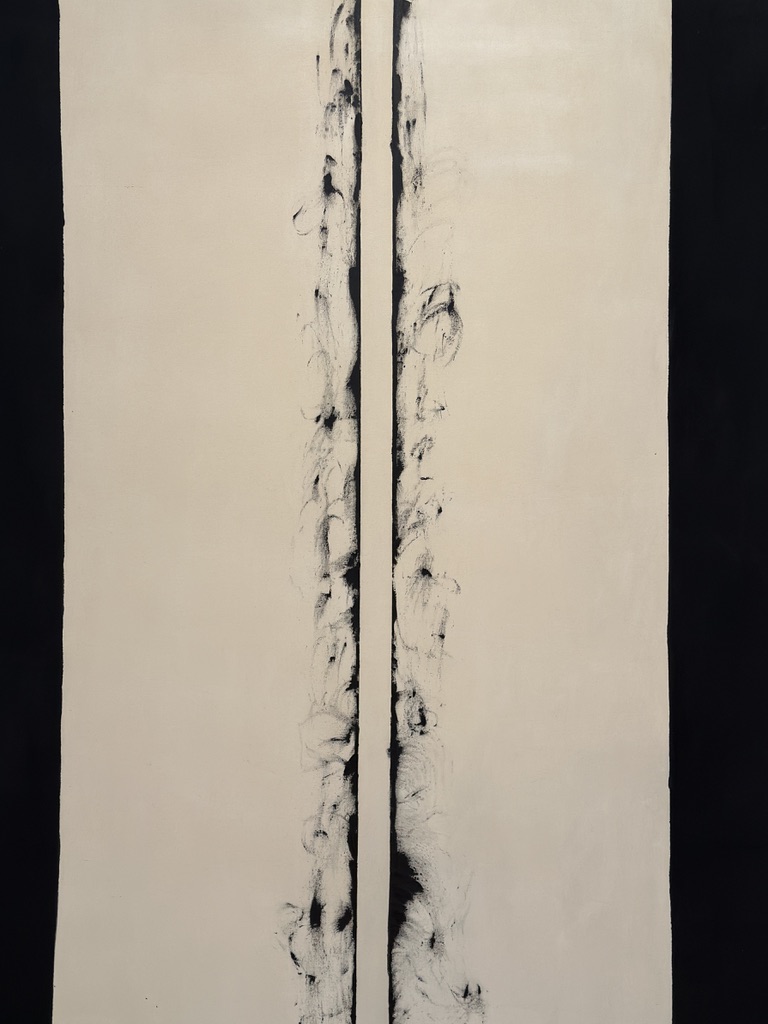

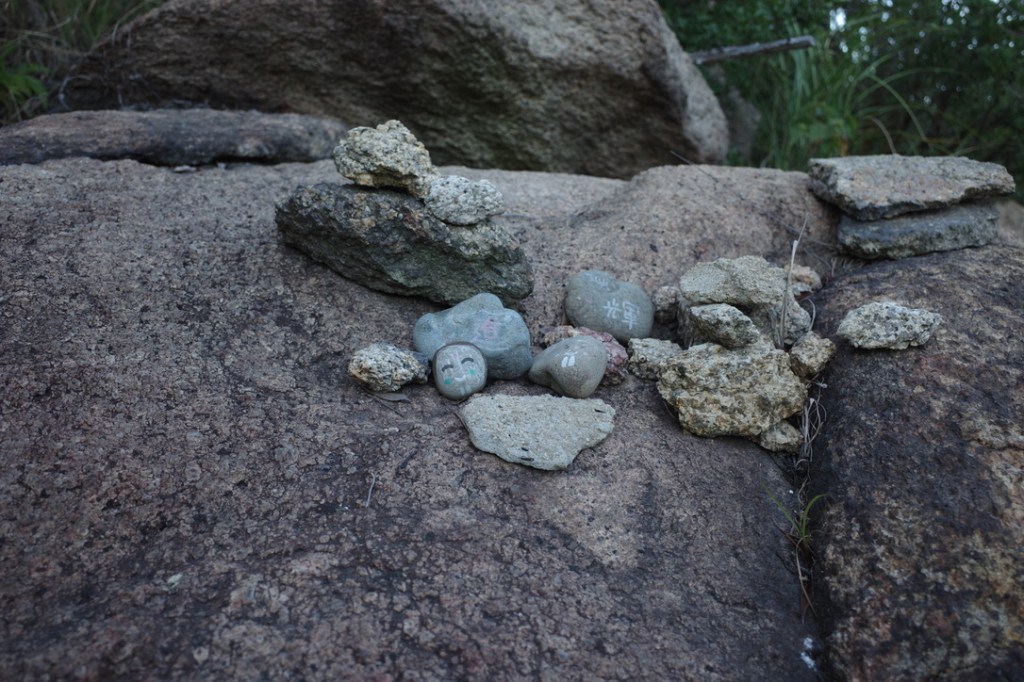
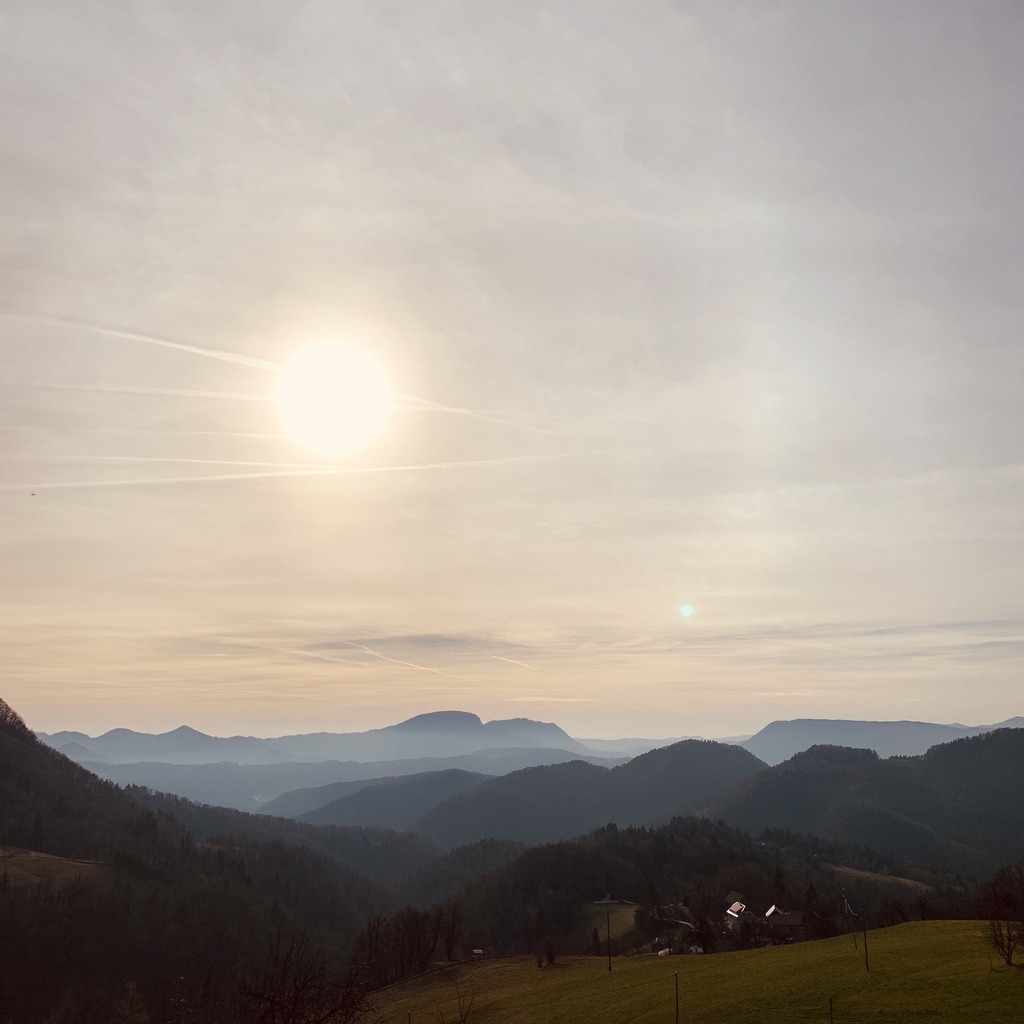
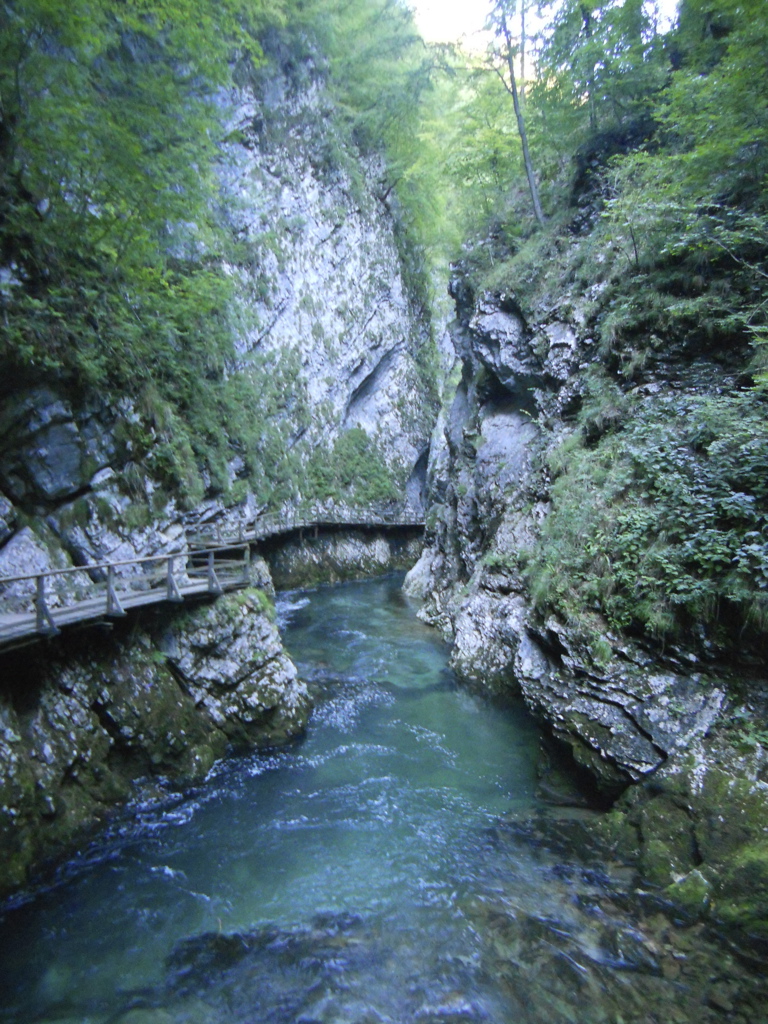
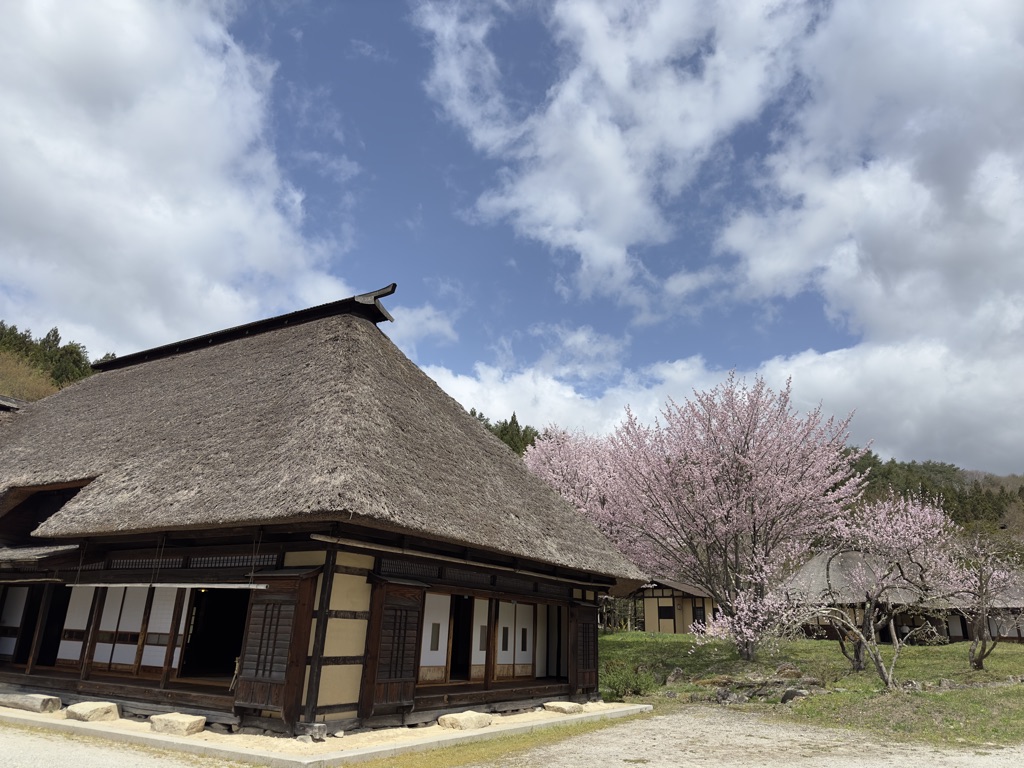
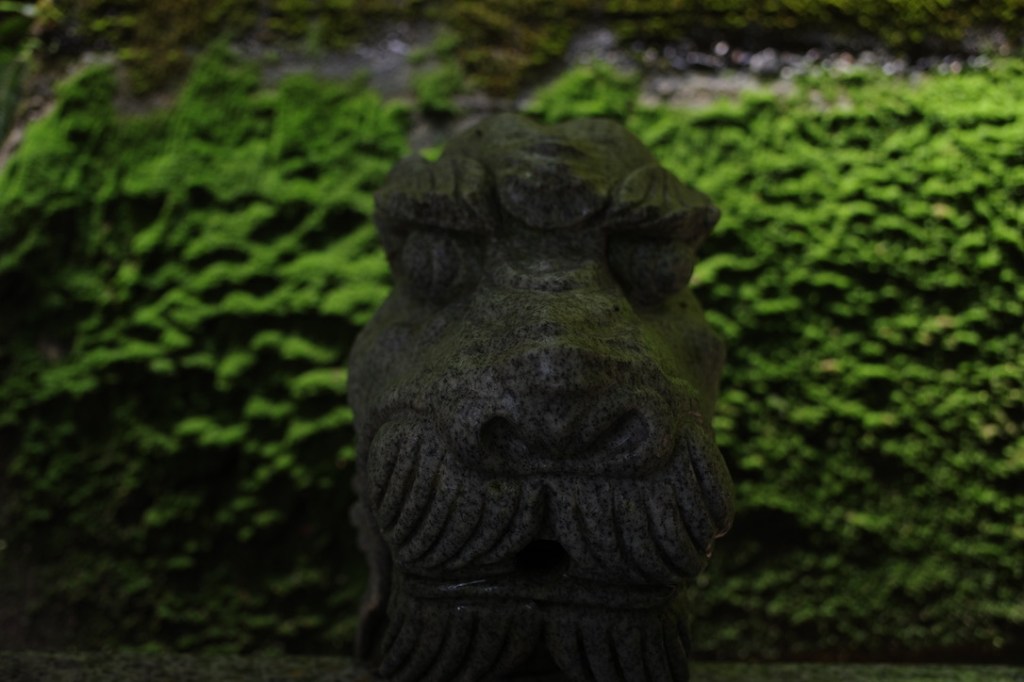
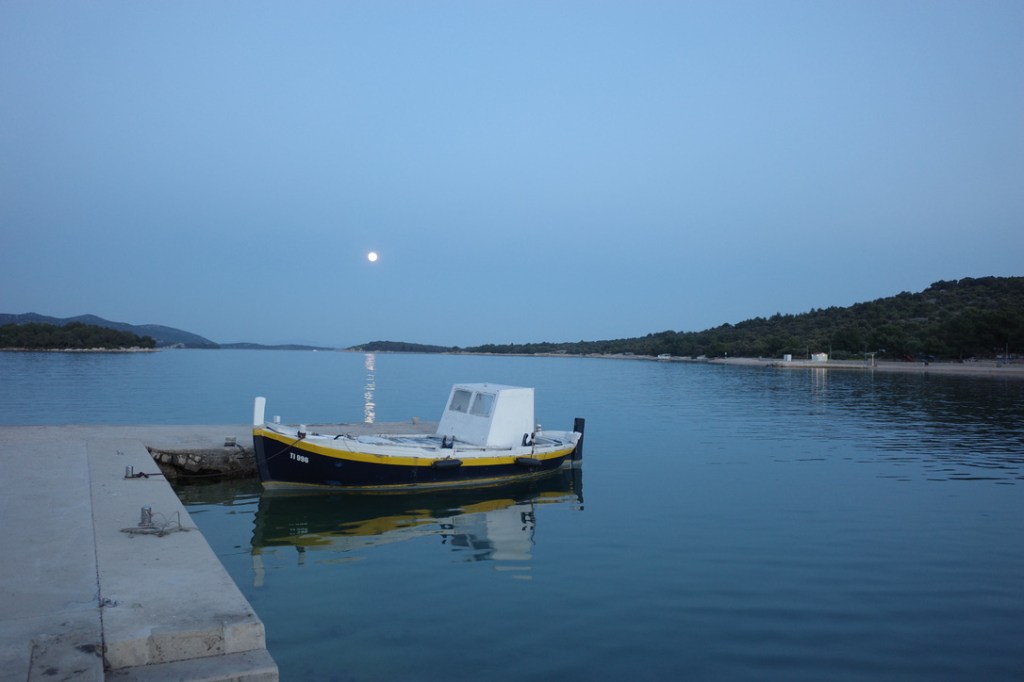



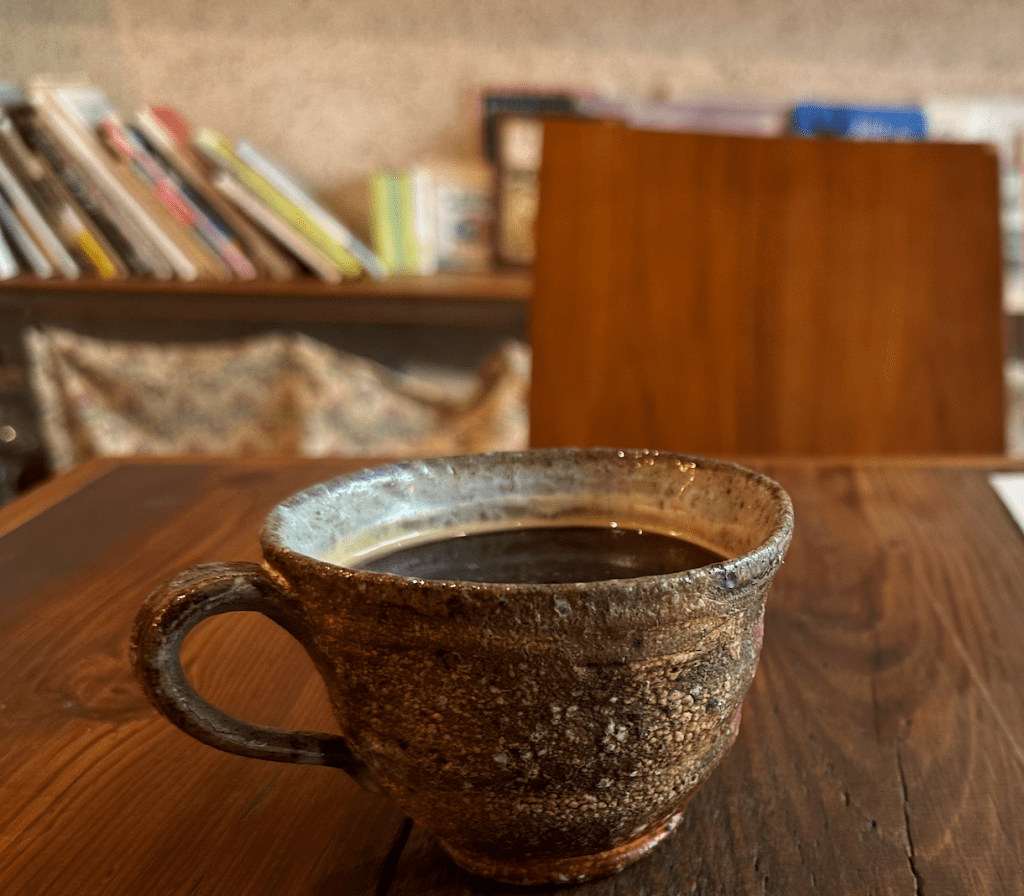
 life
life 