He moved for all the right reasons. A better job. A cleaner city. A future with more possibilities. The kind of place people dream of—quiet streets, efficient trains, polite nods exchanged without the burden of conversation.
But some nights, it was the silence that hurt.
Not the kind outside. The kind inside.
Back home, everything had a sound. The clatter of dishes in a crowded kitchen. The crackle of a radio playing songs that never made it out of the country. Laughter that started loud and always got louder. Language spoken with your hands, with your eyes, with the whole of you.
Now, everything felt muted. Clean. Distant.
Even his own voice sounded different when he spoke here. Like it had been flattened, pressed into something smaller. More acceptable.
Some days, he’d cook. Not because he was hungry, but because memory lives in scent. The sharpness of garlic, the warmth of cinnamon, the way oil pops in a pan like firecrackers. He’d open the windows and let the spices drift out, pretending they might reach someone who understood.
Other days, he’d walk to a part of town where a tiny shop sold ingredients from back home—jarred sauces, dried herbs in plastic bags with faded labels, tea in dusty tins. It wasn’t much, but it was enough.
Enough to feel tethered.
He didn’t regret leaving. But he never expected that missing your culture would feel less like longing and more like erosion. A slow fading. A question whispered in the quiet moments:
What parts of you vanish when no one else sees them?
He hadn’t found the answer.
But he held on to what he could. A phrase. A recipe. A childhood song hummed under his breath while washing dishes.
A light through the trees— Shifting, warm, and incomplete— The forest breathes deep.
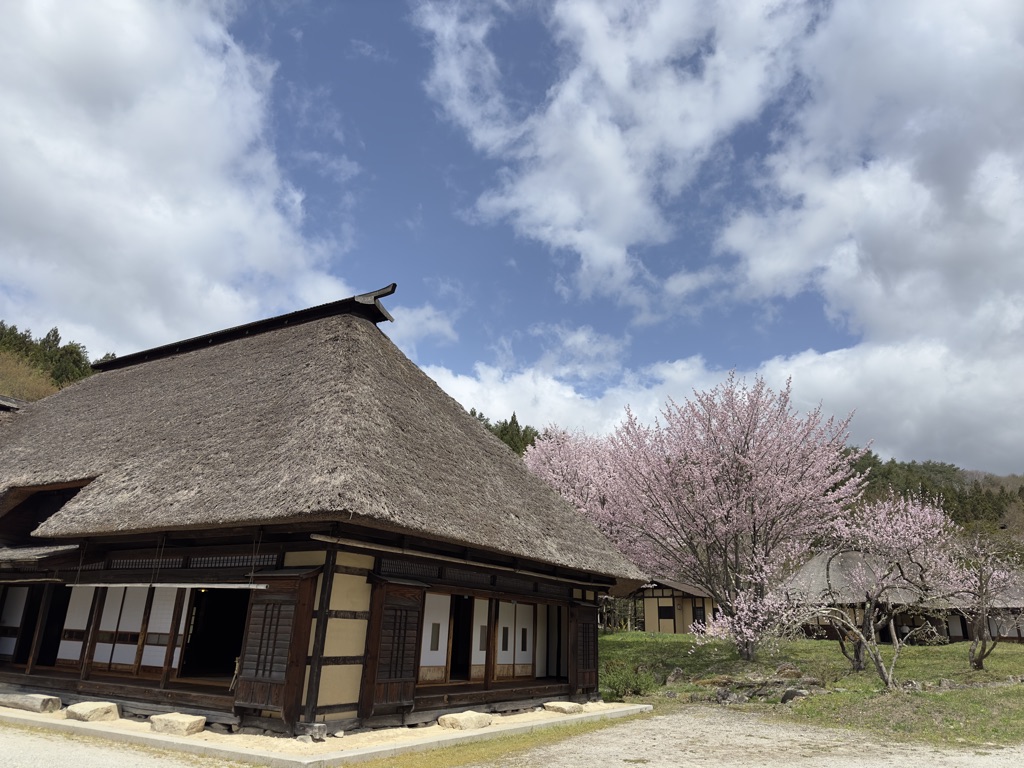
It was late evening when I stumbled upon the house. Nestled at the edge of a thick forest, its windows glowed with a light so soft it seemed to hold the warmth of a hundred sunsets. Through the open door, I could hear voices—laughter, low murmurs, the clatter of dishes. A child’s shriek of delight cut through the air, and then a woman’s voice, soothing, followed by a chorus of others. For a moment, I felt the ache of being an outsider. But then I realized the beauty of it: a house isn’t defined by its walls or roof. It’s the lives within it, entwined like roots in the earth, that make it a home.
The Essence of Home
A home is more than a shelter. It’s where all belong, where every voice is heard, and every presence felt. It’s not a place of perfection, but one of inclusion, where the cracks in the foundation tell stories and the scuffs on the floor mark a life well-lived. Home is where you can set down your burdens and know they’ll be shared, not judged. It’s a space that grows not by adding rooms, but by opening its heart wider.
Families, like homes, are messy. They’re filled with mismatched pieces—quirks, tempers, habits that grate against one another. But these differences don’t weaken the structure; they strengthen it. They force us to stretch, to adapt, to understand. In a true family, there is space for every voice, no matter how loud or quiet, how flawed or certain.
Belonging in Imperfection
There’s a myth that a perfect family exists, but it’s just that—a myth. Families are not photographs hung neatly on a wall; they are living, breathing, imperfect beings. They fight, they break, they mend. And it’s in those moments of imperfection—the slammed doors, the tearful apologies, the shared laughter after the storm—that the bonds grow deeper. To belong is not to fit perfectly, but to be accepted as you are.
Belonging isn’t about agreement or harmony. It’s about showing up, about choosing to stay even when it’s hard. It’s about making space for the awkward silences, the misunderstandings, the moments of discomfort. Because in those spaces, love finds its footing. It learns to stretch and grow, to hold more than it thought possible.
How to Build a Home for All
Embrace Differences: Celebrate the quirks and contradictions that make each person unique. These are the threads that weave a family together.
Hold Space for Others: Listen without the need to fix or judge. Sometimes, just being there is enough.
Accept Imperfection: Let go of the idea that a home must be flawless. Its imperfections are what make it real.
Create Together: Shared experiences—meals, stories, even mistakes—are the foundation of connection.
Welcome Growth: Families evolve. Allow space for change, for each member to grow into who they’re meant to be.
In wabi-sabi, beauty lies in the incomplete, the imperfect, the impermanent. A home, much like a family, is never finished. It is always becoming, shaped by the lives it holds. The cracked vase on the table, mended but cherished, is a testament to resilience. The worn-out chair in the corner, sagging but still sturdy, speaks of comfort offered time and time again.
A home isn’t about symmetry or order. It’s about the life within it. It’s the mismatched dishes that tell of shared meals, the scuffed floors that bear the marks of children’s laughter and tears. It’s the imperfections that make it beautiful, that make it whole.
As I walked away from the house that evening, the light spilling from its windows seemed to follow me. I didn’t know the people inside, but I felt their warmth, their connection. And I realized that a home doesn’t have to be yours to remind you of what matters: a place where all belong, where love stretches wide enough to hold everyone, where the cracks let the light in.
 life
life 